A slice of CMO
What is a fractional CMO, and when do you need one?
November 15, 2026 · By Anouk Malavoy
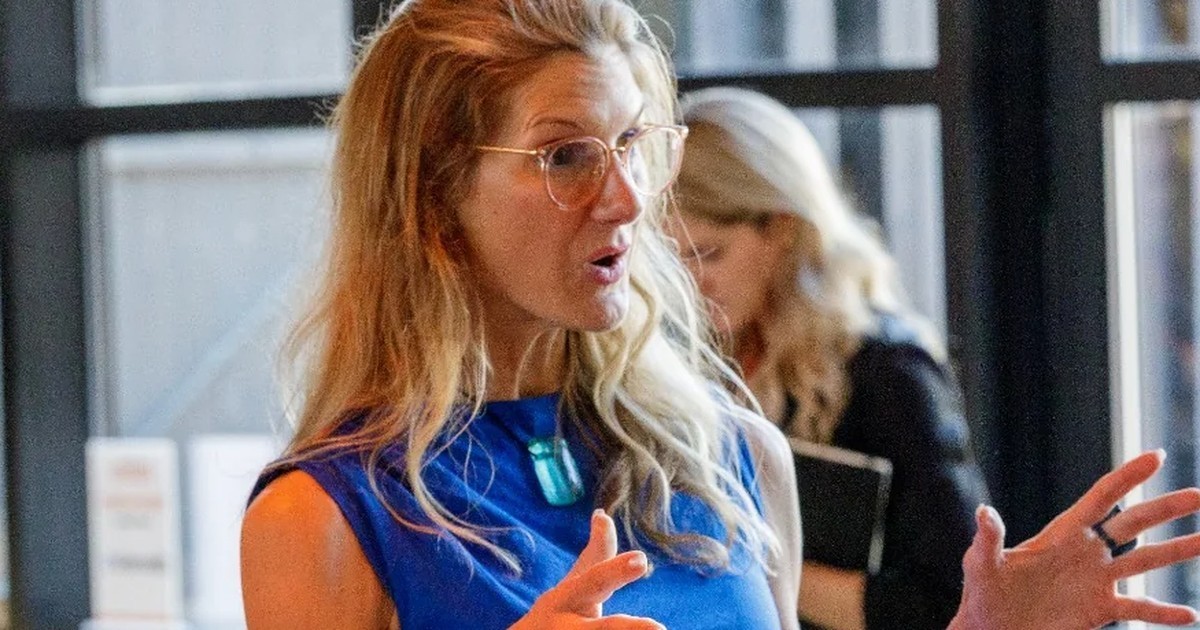
A fractional CMO is a senior marketing leader who works with your business part of the time and takes ownership of your marketing strategy, without the cost of a full-time executive. You usually need one when marketing has grown faster than the leadership behind it and nobody owns the whole picture.
This guide explains what a fractional CMO does, how the arrangement differs from hiring full-time or working with an agency, and the signs that it may be time to consider one. If you want to see how I work with businesses in this way, my fractional CMO services page sets out the details.
What does a fractional CMO actually do?
A full-time chief marketing officer owns the marketing function. They set the direction, decide where the budget goes, lead the people doing the work and answer for the results. A fractional CMO does the same job on a part-time basis.
In practice that means setting the strategy and positioning, deciding how money is spent and why, directing your team and your vendors, and putting measurement in place so you can see what is working. It also means making sure your messages, channels, tools and people fit together as one system, rather than a collection of separate efforts.
Some fractional CMOs lead through a team. Others do more of the hands-on work themselves. The right mix depends on what you already have in place, which is usually the first thing a good fractional CMO will ask about.
How is a fractional CMO different from a full-time CMO?
The biggest difference is time. A full-time CMO brings one leader's whole week to your business. That makes sense once marketing is a full-time job and the budget can support a senior salary and the cost of hiring.
A fractional CMO gives you the same strategic leadership at a scope that fits the stage you are in. You are not paying for a seat you do not need yet. The trade-off is that you get fewer hours of leadership each week, so priorities need to be sharp and the work needs to be well organized. Many growing businesses start with a fractional CMO and move to a full-time hire once the direction is clear.
How is a fractional CMO different from an agency?
An agency usually delivers specific services, such as design, paid advertising, social media or content, often under a contract with a team behind it. An agency is very good at the work it does, but it may not be the party deciding which work is worth doing.
A fractional CMO sits above those choices. They decide what to do, which vendors and tools to use, and whether the work is paying off. Many businesses use both: a fractional CMO to set direction and oversee the work, and agencies or freelancers to carry out particular tasks.
When does a fractional CMO make sense?
A fractional CMO tends to make sense when one or more of these is true. Marketing is spread across vendors and freelancers, and nobody owns the whole picture. The founder or CEO is still doing most of the marketing on top of everything else. The message sounds much like the competition. The team uses AI either not at all or everywhere, without rules. Money is going into marketing, and no one can say with confidence what it returns.
None of these means your marketing is failing. They usually mean the business has grown faster than the marketing leadership behind it, which is a common and fixable situation.
What does a fractional CMO engagement look like?
Most engagements move through three stages. The first is clarity: a review of your messaging, channels, spending, team and tools, so you know what to stop, what to fix and what to build. The second is building and testing, where strategy turns into campaigns, content and systems, and the results are measured and adjusted. The third is handover, where the systems and playbooks are documented so your team, or your next full-time hire, can run the work.
The aim is always the same. By the end, your business should be able to run its marketing without the fractional CMO being there every week.
How do you know whether it is the right fit?
A fractional CMO works best when you have real decisions to make, a team to lead or a plan to build one, and a willingness to change how things are done. If what you need is one specific task completed, a freelancer or an agency may be the better choice. A good fractional CMO will tell you that on the first call, rather than selling you more than you need. Timing matters too. If you are about to launch a product or enter a new market, a fractional CMO can set the plan before money is spent, which is usually easier than repairing a plan after launch.
What should you ask before you hire one?
Ask who will own the strategy day to day, and how much of their time you will actually get. Ask how they handle sensitive information and which tools touch your data. Ask how they measure success and what your team will be able to do without them afterward. Ask how the engagement is scoped and priced, and what is included. A clear answer to each of these is a good sign. Ask for examples of similar work, and whether you can speak with a client they have worked with.
If you are weighing this up, the best place to start is a conversation. Tell me what isn't working and what success would look like for you, and I will tell you honestly whether a fractional CMO is the right answer. Talk to Anouk to set that conversation up.